
History as Growth Rather Than Command
Doctor ZhivagoThis flow traces the novel’s contrast between organic historical change and the belief that leaders can engineer life.
increasing Bearing strength in each event
 decreasing
Bearing strength in each eventdecreasingA Search for History
A Search for History
Beyond inherited dogma
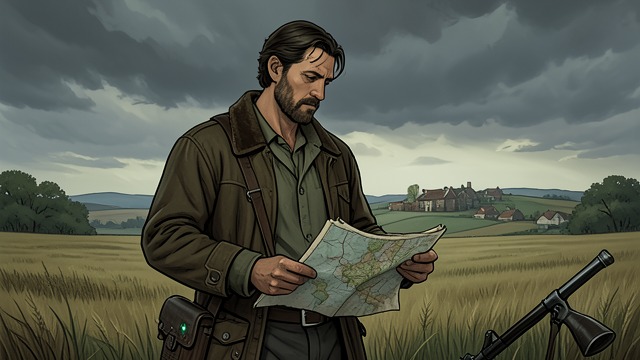
Vedeniapin describes history as humanity’s long struggle against death.
The young Zhivago hears a view of change rooted in human life and memory.
History becomes a living process rather than a sequence of rulers.
Revolution as Flood
Revolution as Flood
Spontaneous transformation
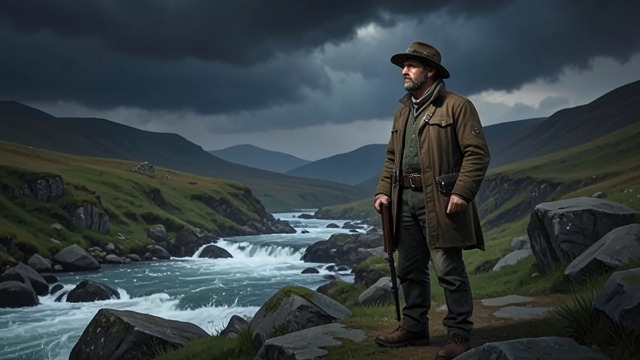
Zhivago describes revolution as a flood that overwhelms ordinary divisions between front and home.
He believes its scale cannot be reduced to a single cause or dramatic explanation.
The image conveys both hope and danger.
The Campaign to Reshape Life
The Campaign to Reshape Life
A doctor’s objection
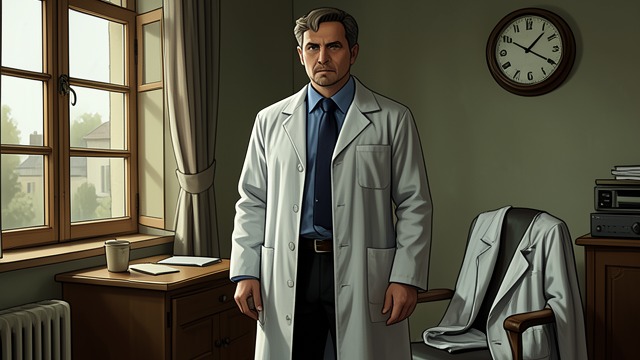
Zhivago rejects the idea that society can be treated as raw material for a plan.
He argues that life continually renews itself beyond political theories.
The argument challenges both revolutionary confidence and passivity.
The Forest Analogy
The Forest Analogy
Growth beneath stillness
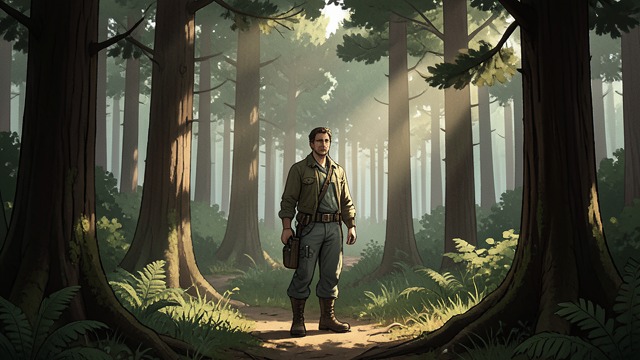
Zhivago compares history to a forest that appears still while growing invisibly.
Revolutions are agents of change, not its sole authors.
The analogy displaces heroic leadership with slow collective transformation.
Freedom’s Distant Signs
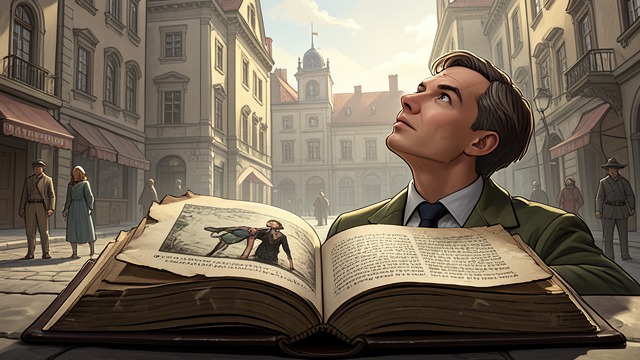
Freedom’s Distant Signs
A future still possible
Gordon and Dudorov see signs of spiritual freedom after reading Zhivago’s work.
Victory has not yet produced full relief, but the possibility of change remains.
The novel ends with expectation rather than a settled historical answer.
during Zhivago’s childhood
during the 1917 upheaval
during the partisan captivity
after Lara’s departure
after the Second World War
